
Schedule Your Free Consultation
703-828-0051·Available 24/7·Hablamos Español

Recent Blog Posts
How to Prove Fault in a Virginia Car Accident When the Other Driver Lies
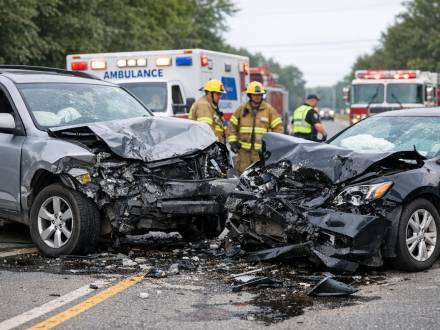 Here is a scenario: You and the other driver know what happened, and now they are telling their insurance company a completely different story.
Maybe they claimed you rear-ended them. Perhaps they filed a counterclaim, claiming you ran a red light, or their account shifted between the scene and the recorded statement. Whatever the lie is, you are now dealing with a disputed liability case in Virginia, which is one of the worst states in the country to have your fault misrepresented.
Here is why that matters and what actually proves fault when the other driver is not telling the truth.
Why Lying About Fault Is So Dangerous in Virginia
Virginia's contributory negligence rule means that if you are found even 1% at fault for the accident, you recover nothing...not a reduced settlement. Nothing.
This is not how most states work. Most states use comparative negligence, which allows you to recover a percentage of your damages even if you were partly responsible. Virginia does not. Fault here is binary. You either recover, or you don't.
Do You Need a Lawyer After a Fender Bender in Virginia?
A fender bender in Virginia may seem minor at first. The vehicles have limited damage. Everyone walks away. The other driver says it's no big deal. Insurance information is exchanged, and you go home assuming it will be handled quickly.
Days later, your neck stiffens, your lower back tightens, and a headache lingers. Then the other driver's insurance company calls with a quick settlement offer.
This is the moment most people start asking: do I actually need a lawyer after a fender bender?
The answer is not what most people expect.
Why Fender Benders in Virginia Are Legally Different From Every Other State
Virginia operates under the contributory negligence standard, one of only four jurisdictions in the country that still use this standard. Most people have never heard of it until it costs them their entire claim.
Here is what it means: if you are found even 1% at fault for the accident, you are barred from recovering any compensation. Not a reduced amount based on your share of fault. Nothing.
Who Is Liable for Slip and Fall Accidents Caused by Ice or Snow in Virginia?
Winter in Virginia brings more than cold temperatures. Snow, ice, sleet, and refreezing conditions create serious hazards on sidewalks, parking lots, stairways, and entryways. When someone slips and falls on ice or snow, the injuries can be severe, often involving head trauma, spinal damage, broken bones, or long-term mobility issues that require surgery, extensive rehabilitation, and months of recovery.
One of the most common questions injured people ask is simple but legally complex: Who is actually responsible when a slip and fall happens because of ice or snow?
The answer depends on timing, notice, property type, and Virginia's strict negligence laws. Understanding these rules is critical to protecting your health and your right to compensation. Property owners have legal duties to maintain safe premises during winter months, but those duties have limits, and insurance companies work aggressively to exploit every gap in liability they can find.
Can a Property Owner Be Held Responsible for Ice and Snow?
Can You Still File a Personal Injury Claim If You Didn't Go to the ER Right Away?
If you left the accident scene sore and went home instead of the hospital. And now, it's been three days, or maybe a week, and the pain has worsened. You start to wonder if you made a mistake by not going to the ER.
The answer is no, that alone didn't ruin your case. You can still file a personal injury claim in Virginia even if you didn't go to the emergency room right after the crash. But that gap between the accident and your first doctor visit creates a problem. And the insurance company will absolutely use it against you.
This is about how claims get defended. The longer you wait to see a doctor, the harder it becomes to prove your injury came from the accident, and the easier it is for the at-fault driver's insurer to argue it didn't.
Why Do People Wait to See a Doctor After a Car Accident?
Most people who skip the ER have reasons that make sense in the moment:
The pain didn't feel severe at the scene. Adrenaline was still masking the injury. There was no visible damage: no blood, no broken bones. They didn't want to sit in an ER for four hours. They were more worried about getting the car towed or getting home. They thought rest and ibuprofen would handle it. The idea of a $3,000 ER bill felt worse than the soreness.
Who Pays Your Medical Bills After a Personal Injury Accident?
After a personal injury accident, the immediate concern for most people isn't legal action; it's the mounting cost of medical care.
The expenses quickly pile up: ambulance fees, emergency room visits, scans, follow-up care, and physical therapy. This often leads to a wave of panic and the urgent question:
"Am I personally responsible for paying all of these bills?"
Ultimately, who pays your medical bills after an accident hinges on a few critical factors: the location of the accident, the insurance coverage you have in place, and how the claim is managed from the very beginning.
Here's how medical bills actually get paid after a personal injury accident.
Who Is Responsible for Paying Your Medical Bills After an Accident?
Ultimately, the at-fault party is legally responsible for your medical expenses. If someone else caused your injuries through negligence, they owe you compensation for all reasonable medical treatment related to the accident.
What Happens If You're Injured on Someone Else's Property in the Winter?
Winter conditions create hazards that don't exist the rest of the year. Ice accumulates on walkways. Snow covers steps and uneven pavement. Parking lots become slippery. Outdoor lighting becomes more critical as days get shorter.
When you're injured on someone else's property during the winter months in Virginia, DC, or Maryland, what happens next depends on whether the property owner maintained the property reasonably, whether you were legally on the property, and how the law in your jurisdiction treats fault.
Here's what you need to know if you're injured on someone else's property in winter.
Can a Property Owner Be Held Liable for Winter Injuries?
Yes. Property owners can be held liable for injuries caused by ice, snow, and other winter hazards on their property if they failed to maintain reasonably safe conditions.
Property owners have a legal duty to maintain their premises in reasonably safe condition for people lawfully on the property. In winter, this duty includes addressing hazards created by ice, snow, and other weather conditions.
What To Do After a Slip and Fall Accident (Virginia, DC & Maryland)
Slip and fall accidents are often brushed off as "minor," but from a legal standpoint, they are some of the most heavily defended personal injury claims.
Property owners and their insurance carriers move quickly to deny responsibility, argue the hazard was obvious, or shift blame onto the injured person. What you do in the minutes and days after a fall can determine whether you have a viable claim - or none at all.
If you were injured on someone else's property in Virginia, DC, or Maryland, this guide explains what personal injury lawyers look for and how to protect your rights.
What Should I Do Immediately After a Slip and Fall Accident?
Stay at the location if you're physically able. Do not leave the property without documenting what happened and reporting the fall. The moment you leave, evidence starts disappearing.
Check yourself for injuries but don't minimize them. Avoid saying "I'm fine" or "I'm okay" even if you feel that way in the moment. Adrenaline masks pain. What feels like minor soreness can be a fracture, torn ligament, or head injury.
Uber and Lyft Accidents in the DMV: What Passengers Need to Know
Last month a client called me three days after being injured in an Uber accident on 495.
She assumed it would be straightforward. She was a passenger. She didn't cause the crash. Uber is a billion-dollar company-they're insured, right?
Then the finger-pointing started.
The Uber driver's personal insurance said they don't cover rideshare activity. Uber's insurance said the driver's app status was unclear. The other driver's insurance said their driver wasn't at fault.
Four weeks later, she still didn't know which insurance company would pay her $18,000 in medical bills.
After handling rideshare accident cases across Virginia, DC, and Maryland for years, I can tell you: Uber and Lyft accidents are more complicated than regular car accidents because of how insurance coverage works.
Here's what passengers need to know about protecting their rights after a rideshare accident in the DMV.
Why Are Rideshare Accidents More Complicated Than Regular Car Accidents?
How Much Is My Car Accident Case Worth? (Virginia, DC & Maryland)
"What's my case worth?"
That's the first question almost every client asks. And I get it. Medical bills are piling up. You've missed work. You're in pain. The insurance company just offered you $12,000 and you have no idea if that's reasonable or insulting.
Here's what I tell people: Anyone who gives you a specific dollar amount in the first five minutes is either guessing or lying.
Last month I had a consultation where someone told me another lawyer promised them $200,000 "easy" after a 10-minute phone call. That lawyer hadn't seen a single medical record, didn't know the policy limits, hadn't reviewed the police report, and had no idea whether contributory negligence applied.
That's not legal advice. That's a sales pitch.
After handling car accident cases across Virginia, DC, and Maryland for over a decade, I can tell you exactly how settlement values are actually determined-and why two people with the same injury can get wildly different settlements.
10 Reasons Insurance Companies Deny Car Accident Claims (And What You Can Do About It)
"Your claim has been denied."
Six weeks after her accident on I-66, my client read that sentence in a letter from the insurance company. She'd been rear-ended at a red light. Clear liability. She went to the ER the same day. She followed up with her doctor. She provided everything they asked for.
They denied it anyway. Their reason? "Insufficient evidence of causation."
We fought it. We won. But it took four months and a litigation threat to get them to pay what they should have paid from the beginning.
After handling car accident cases across Virginia, DC, and Maryland for over a decade, I've seen insurance companies deny legitimate claims for every reason imaginable.
Here are the 10 most common reasons-and what you can actually do about each one.
1. Treatment Delays or Gaps
The Claim
"If you were really injured, you would have seen a doctor immediately. The delay proves the injury came from something else."






The Valor Injury Law
Scholarship Program

Schedule Your Free Consultation
703-828-0051·Available 24/7
Woodbridge
13895 Hedgewood Drive, Suite 341
Woodbridge, VA 22193
P 703-828-0051
F 703-263-8001


13895 Hedgewood Drive, Suite 341, Woodbridge, VA 22193
703-828-0051


